
Written by: Staff
History says holiday classics are made through repetition. Block Party already has the holiday. Branch Out has the rights. Byron Allen has the machine. In the media landscape, few things are more valuable than a perennial asset. A movie that audiences watch once is entertainment. A movie they return to every year becomes infrastructure. It becomes tradition. It becomes programming. It becomes advertising inventory. It becomes cultural memory.
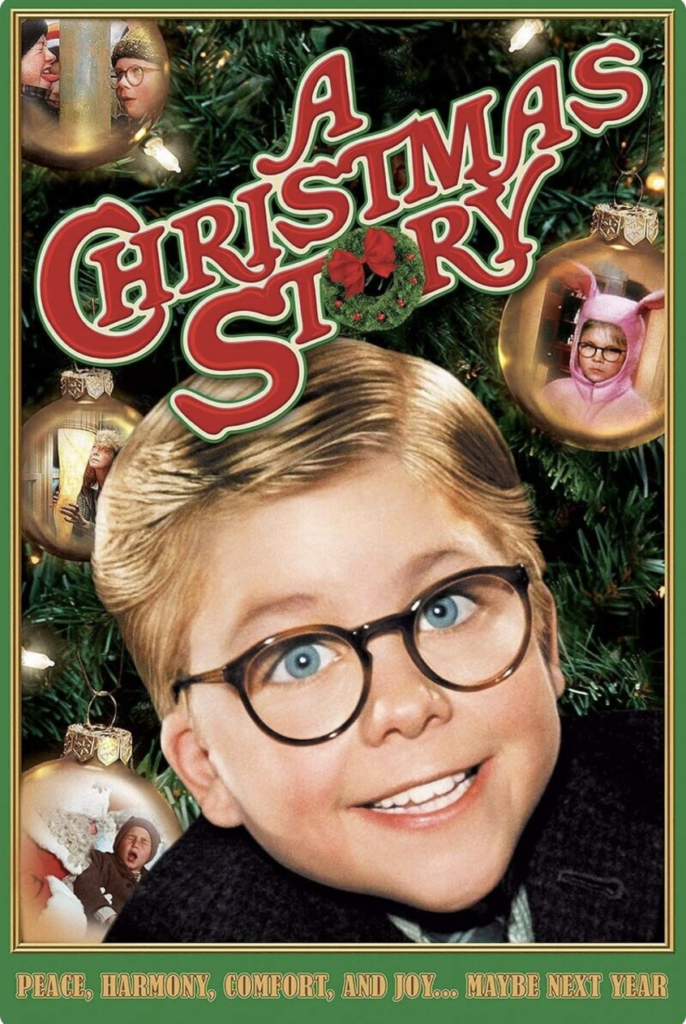
That is exactly what happened with A Christmas Story.
The 1983 film did not become a holiday institution because it opened like a blockbuster. It became one because television made it unavoidable. Through repetition, marathon programming, and annual ritual, A Christmas Story evolved from a modest theatrical release into one of the most dependable holiday assets in American media.
That same playbook may now be sitting in plain sight for Juneteenth.
The movie is Block Party. The company behind the underlying rights is Branch Out Productions, but the film is co-produced by Byron Allen’s newly acquired “BuzzFeed Studios.” Because of that connection, the media mogul with the machine to potentially turn it into an annual tradition is Byron Allen.
The “A Christmas Story” Playbook
The genius of A Christmas Story was not simply the movie itself. It was the scheduling. By creating a reliable annual marathon around Christmas, television turned the film into more than content. It became a ritual. Families knew when it would be on. Advertisers knew people would watch. Networks knew the holiday gave the movie a reason to return every year.
That is the hidden power of holiday programming. Evergreen classics are not always discovered in the moment. Often, they are built through repetition. A title becomes familiar. Familiarity becomes affection. Affection becomes tradition.
In a fragmented media environment, that kind of repeatable attention is increasingly rare. Which is why Juneteenth represents such a major programming opportunity. The holiday is now a permanent part of the national calendar, but the entertainment marketplace has not yet produced a single universally recognized annual Juneteenth movie tradition. There are important historical films, documentaries, specials, and educational programming. But there is still room for something warm, accessible, celebratory, family-friendly, and repeatable. That is where Block Party becomes interesting.
Why Block Party Fits the Moment
Released in 2022, Block Party arrived as a Juneteenth family comedy centered on celebration, community, and intergenerational connection. It is not built around trauma. It is not a lecture. It is not homework. It is a community comedy about family, music, food, neighborhood, memory, and togetherness — the exact emotional ingredients that allow a holiday film to become annual viewing. That matters.
A Juneteenth programming tradition cannot only be about looking backward. It also has to make room for joy. It has to feel alive. It has to invite families to gather, laugh, watch, and come back again next year. Block Party has that DNA.
The title itself suggests recurrence. A block party is not just an event. It is a community ritual. It is something people expect to happen again. That gives the film a natural relationship to annual programming. For a media company looking to build a Juneteenth tradition, that is not a small thing. It is the whole point.
Who Has the Rights?
The opportunity becomes even more compelling because Block Party is not merely a random library title waiting for someone to notice it. Branch Out Productions, the company behind the underlying rights, would welcome a serious strategic conversation if Byron Allen approached them with a plan to turn the film into a recurring Juneteenth tradition. And since, Allen is now the owner of BuzzFeed Studios – a strategic partner on the film, it only makes sense. That is the missing piece that makes the idea feel actionable.
Allen has been building — and is now expanding — the kind of distribution ecosystem that can elevate a title through repetition, promotion, ad support, social reach, and cultural positioning. Branch Out has the asset. Block Party has the holiday. Juneteenth has the open lane. Together, the strategy is obvious.
Program the movie annually. Surround it with cast interviews, community stories, music segments, brand integrations, social clips, Juneteenth explainers, local-market activations, and family-friendly companion programming. Turn the film into the anchor of a full-day media event. Not just a movie. A Juneteenth programming block.
Byron Allen Has the Machine
Byron Allen’s media strategy has always been about ownership, scale, and distribution. With TheGrio, Allen already has a culturally specific platform deeply aligned with Black audiences, news, history, entertainment, and identity. With his broader media holdings, streaming ambitions, FAST-channel strategy, local television footprint, advertising relationships, and digital expansion, he has the kind of ecosystem that can make a title feel bigger than its initial release.
That is exactly what a modern holiday classic needs. It does not need to be rediscovered by accident. It can be programmed into awareness.
A film like Block Party could live across multiple lanes at once: streaming, free ad-supported television, TheGrio, social video, BuzzFeed-style listicles and clips, cast retrospectives, sponsored Juneteenth content, local community tie-ins, and annual countdown promotion.
That is how nostalgia gets manufactured in the modern era. The old model was simple: air the movie every year until people love it. The new model is bigger: air it, clip it, meme it, contextualize it, sponsor it, celebrate it, and repeat it every June.
The Aggregator’s Edge
The genius of the Byron Allen version of this strategy would not be trying to make Block Party behave like a theatrical blockbuster. It would be treating the film as a utility. A repeatable Juneteenth asset.
A piece of cultural programming that can live every year, generate conversation every year, bring advertisers back every year, and give audiences a familiar movie to associate with the holiday. That is the real value. Holiday films do not have to dominate culture all year long. They only have to own their window.
Hocus Pocus owns Halloween for a certain audience. Elf owns Christmas for another. A Christmas Story became part of the Christmas furniture because audiences knew exactly when and where to find it.
Juneteenth is still early in the process of building that kind of entertainment tradition. Block Party could be one of the first films positioned to own that annual space. And when it comes to Juneteenth, Block Party may already be the movie waiting for the machine.